How to Choose Your Safari Destination: Countries and Regions Explained


Choosing where to go on safari can feel overwhelming. The photographs all look extraordinary, the park names start blending together, and every country seems to promise the trip of a lifetime.
You don’t need to become an expert in African geography to make a good choice. Start with what excites you most: open plains filled with wildlife, gorillas in a mountain forest, quiet waterways, or a safari combined with beaches and good restaurants.
Then look at the regions. Two places within the same country can offer very different experiences, and choosing the right combination often matters more than the country itself.
At Africaway, we look for the complete experience: compelling wildlife, distinctive landscapes, knowledgeable guides, and a connection to the place and its people. Here’s how we narrow it down.
Where should you start?
| What you’re picturing | Where we’d start |
|---|---|
| The quintessential safari: open savanna, big cats, and local culture | Kenya or Tanzania |
| Wildlife followed by an island beach stay | Tanzania |
| Gorilla trekking with straightforward travel between destinations | Rwanda |
| Gorilla trekking with lower permit costs | Uganda |
| Walking safaris, river activities, and strong value | Zambia |
| Remote camps, exceptional comfort, and delta waterways | Botswana |
| Dramatic deserts and wildlife adapted to harsh conditions | Namibia |
| Safari combined with a city, coastline, and wine country | South Africa |
These are starting points. Each country offers more than one kind of experience.
Kenya: classic safari scenery and a strong sense of place
If your mental image of safari comes from The Lion King, Kenya belongs near the top of your list. Open grasslands, scattered acacias, and abundant wildlife create that unmistakable setting.
We also value the human connection. In the Mara, Maasai guides and community experiences can bring another layer to the landscape, helping you understand the place beyond what you see from the vehicle.
Which regions should you choose?
- Masai Mara: Our starting point for sweeping savanna, big cats, and classic wildlife viewing. Where you stay matters: the reserve and surrounding conservancies offer different levels of access, activity options, and visitor density.
- Laikipia: A contrasting landscape of conservancies, varied terrain, and conservation-focused experiences. Particularly appealing when you want more variety alongside the Mara; activities depend on the property.
Best for
Kenya is worth considering for a shorter safari when flight connections align. For a longer trip, we like pairing it with Tanzania or gorilla trekking in Uganda.
Our Immersive Kenya journey brings together the country’s wildlife, landscapes, and conservation focus.
Tanzania: extraordinary wildlife, with room to go further
Alongside Kenya, Tanzania is one of our first recommendations for the quintessential safari. The Serengeti delivers the scale: vast horizons, large herds, and predators moving through open country.
But Tanzania’s appeal extends well beyond its most famous plains. You can seek out quieter wilderness, explore a forested island, climb Kilimanjaro, or finish on the beach. Depending on the region and camp, connections with Maasai and Kuria guides and communities can deepen the experience.
Which regions should you choose?
- Serengeti: Expansive plains, big cats, and the Great Migration. Choose your camp location around your dates and priorities; the migrating herds move, and river crossings cannot be scheduled.
- Ngorongoro: A dramatic crater landscape with concentrated wildlife viewing. A compelling contrast to the Serengeti, though the crater floor can be busy.
- Tarangire: Elephant encounters, baobabs, and a different landscape from the open plains.
- Ruaha: Rugged scenery and a more remote safari atmosphere. One of our preferred directions for travelers prioritizing space and fewer vehicles.
- Nyerere: A mix of wildlife drives and river scenery, with boat safaris available through suitable camps and conditions.
- Rubondo: A forested island experience with chimpanzee tracking. Choose it for a change of pace and habitat; tracking can be demanding, and sightings are unpredictable.
- Kilimanjaro: A dedicated trekking adventure that deserves its own time and preparation.
- Zanzibar: A natural finish when you want beach time after early mornings on safari.
Our take
We particularly like Tanzania for combining exceptional wildlife with contrasting experiences. For fewer crowds, choose the region and camp carefully: that description fits some parts of Tanzania much better than others.
Compare our Tanzania Northern Circuit and Zanzibar journey with Tanzania’s Untamed South to see how different those experiences can be.
Rwanda: gorillas and a compact, varied journey
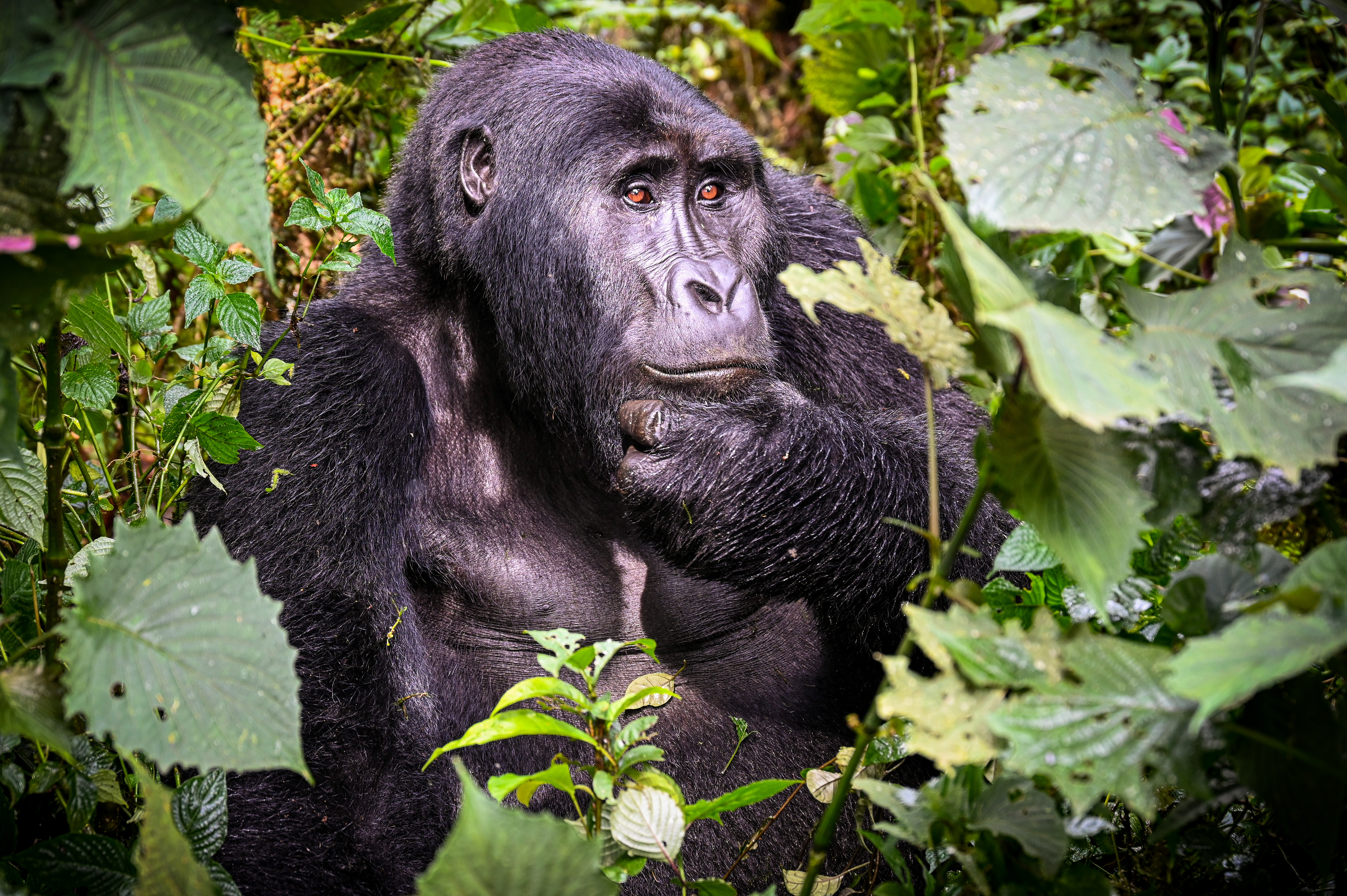
Rwanda stands out when gorilla trekking is the priority and you want a relatively straightforward itinerary. Its compact geography makes it possible to combine forest and savanna experiences by road.
Which regions should you choose?
- Volcanoes National Park: The focus for mountain gorilla trekking, with forested slopes and volcanic scenery. Straightforward travel logistics don’t necessarily mean an easy trek; the terrain and duration vary.
- Akagera: A savanna-and-lake contrast to the mountains, with the Big Five present following successful wildlife restoration.
Our Rwanda: Gorillas to Savannah journey brings these two parks together. We also like pairing Rwanda with Tanzania for a broader wildlife trip.
Uganda: a compelling choice for gorilla trekking
For travelers focused on seeing mountain gorillas, Uganda deserves serious consideration. Its standard gorilla trekking permits generally cost less than Rwanda’s, making it an appealing place to begin when comparing budgets. The total trip cost still depends on lodging and transfers.
Where should you go?
- Bwindi Impenetrable Forest: A mountainous forest setting where the trek itself becomes part of the experience. Your trekking sector, lodge location, and arrival route should be planned together.
Within our offering, Uganda is a focused gorilla destination. Our Gorilla Trekking and Mara Wilderness journey combines forest trekking with the contrast of Kenya’s open-country safari.
Zambia: walking, waterways, and quieter wilderness
Zambia appeals to travelers who want variety in how they experience the bush. Game drives remain central, but walking and river activities can make the days feel noticeably different.
We also like the value available here, particularly when comparing the quality of guiding and camp experience. Remote transfers and top-end lodges still affect the budget.
The regions we like:
- South Luangwa: Renowned for its guiding and walking safari heritage. Walking brings attention to tracks, plants, and smaller details that are easy to miss from a vehicle.
- Lower Zambezi: River scenery with opportunities to combine game drives, boating, and guided canoeing, depending on the camp and season.
- Victoria Falls: A dramatic addition to the wildlife regions, with time to enjoy the river and surrounding activities. Water levels change substantially through the year.
Our Victoria Falls & the Wild Rivers of Zambia journey is a strong fit if you want an immersive safari with time outside the vehicle.
Botswana: remote luxury and contrasting wilderness
We like Botswana for its small, remote camps, exceptional safari accommodation, and the sense of space available in private concessions. For travelers who value privacy and comfort together, it is especially compelling.
The regions we like:
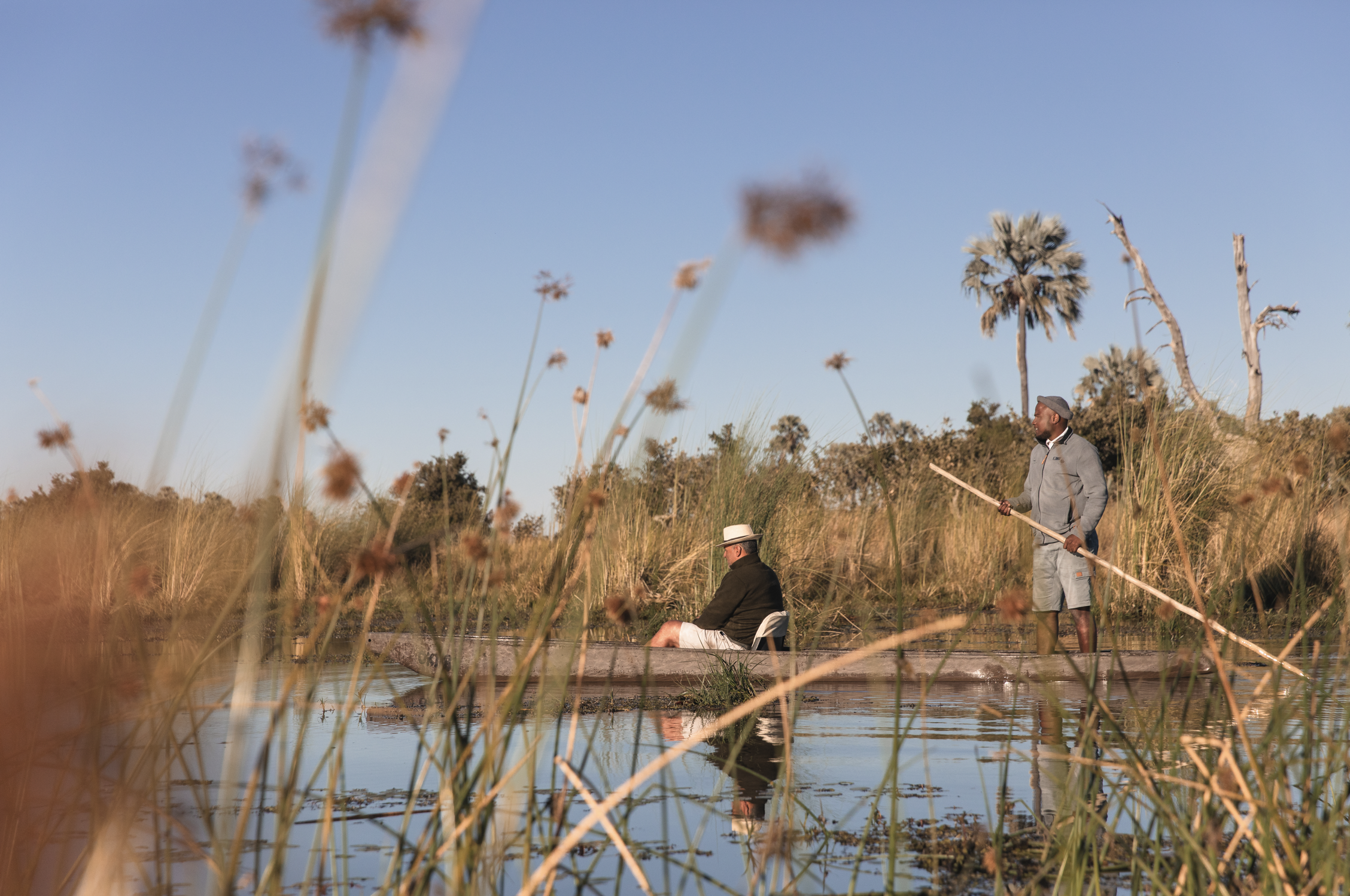
- Okavango Delta: A landscape of waterways, islands, and floodplains. Some camps emphasize land activities, others water, and some combine both.
- Mababe: Open grasslands and predator-and-prey encounters that offer a different experience from the Delta’s channels.
- Linyanti: Woodland and wetland scenery, elephant encounters, and remote wildlife viewing.
Key recommendation
If a mokoro excursion or boating is a major reason for choosing Botswana, the specific camp and water conditions matter. A Delta address alone doesn’t guarantee those activities.
Our Botswana’s Wild North and the Okavango Delta journey brings together contrasting wilderness settings. Botswana often requires a higher budget, particularly for remote luxury camps. Victoria Falls can make a rewarding addition to a longer trip.
Namibia: landscapes that become the main event
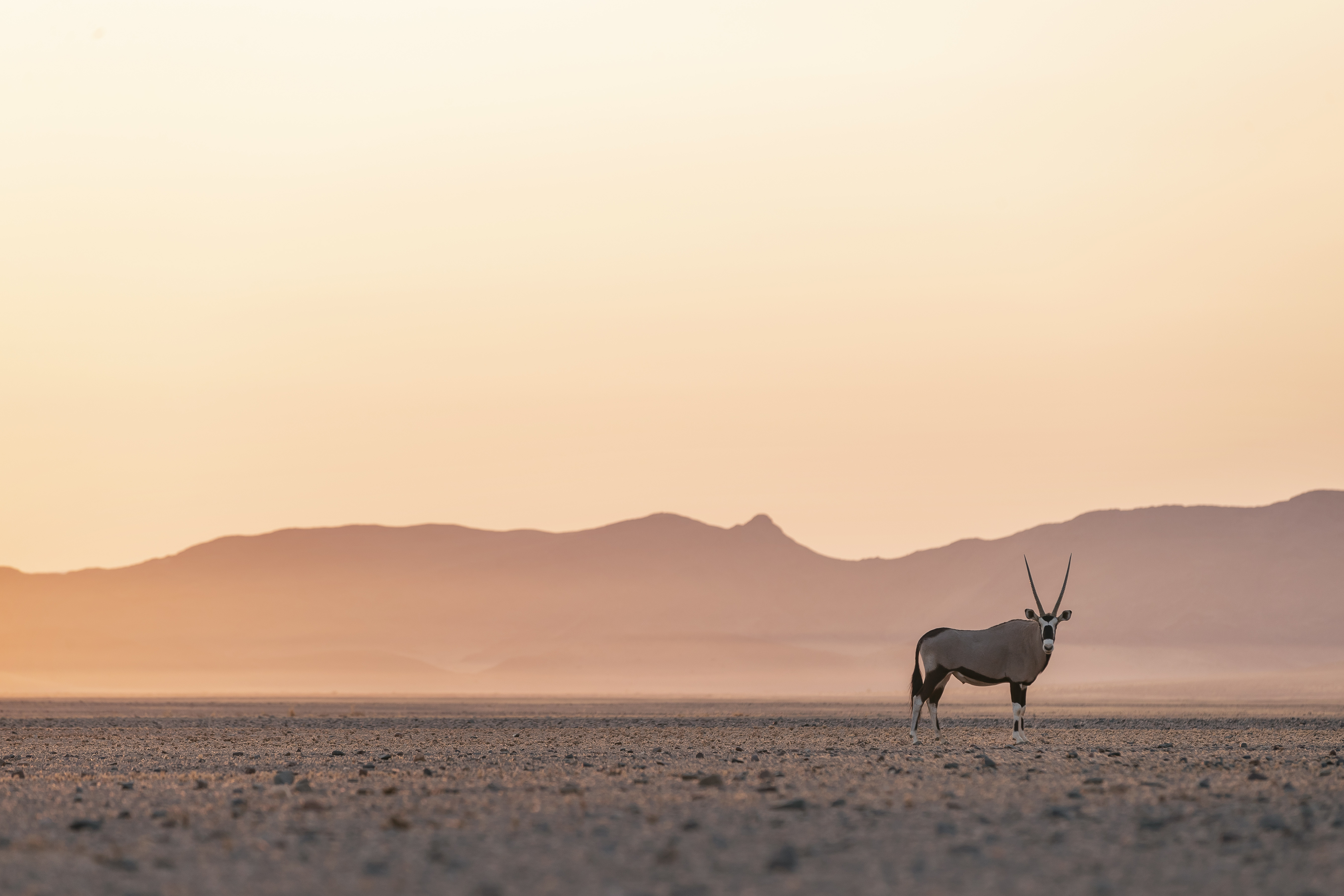
Choose Namibia when the scenery excites you as much as the wildlife. Towering dunes, dry riverbeds, and an isolated coastline give the journey a very different character from a savanna safari.
The regions we like:
- Sossusvlei: Monumental dunes, desert color, and striking photographic landscapes.
- Damaraland: Rugged terrain and opportunities to look for desert-adapted wildlife, particularly elephants, depending on where you stay.
- Skeleton Coast: Remote coastal wilderness and the striking meeting of desert and Atlantic Ocean.
The regions we offer in Namibia are best approached as a landscape-led journey with distinctive wildlife encounters. If dense concentrations of big game are your main priority, we’d steer you toward another destination.
Our Namibia: Dunes, Rhinos & the Skeleton Coast journey captures that appeal. We also like pairing Namibia with Cape Town for a change of pace.
South Africa: safari as part of a broader vacation
South Africa is especially appealing when different people in your group want different things. You can combine wildlife with excellent food, wine country, coastal scenery, and time in a city.
The regions we like:
- Cape Town: Restaurants, culture, mountain scenery, and the coast.
- Winelands: Vineyard landscapes, leisurely meals, and a slower rhythm.
- Sabi Sands: Private-reserve safaris known for leopard viewing and high-quality lodges.
- Kruger: A broad wildlife destination where the precise lodge and access arrangements shape the experience.
For travelers who want several nights on safari within a more varied vacation, our Cape Town, Winelands & the Wilds of Sabi Sand journey is a strong starting point.
Let your dates and pace make the final decision
Once two or three options stand out, apply three practical filters.
Your travel dates. Migration movements, water levels, weather, and camp seasons can change which region makes the most sense. There is no single best safari month for every destination.
Your time. On a shorter trip, fewer stops usually mean more time enjoying the place. Add a second country when it brings something you particularly want, such as gorilla trekking alongside a savanna safari.
Your priorities and budget. Decide what matters most: wildlife, guiding, privacy, accommodation, activities, or a combination. Compare complete itineraries, including transfers and permits, rather than lodge rates alone.
You don’t need to see everything on one trip. A few well-chosen places, with enough time to settle into each, can deliver a far more rewarding experience.
Explore Africaway’s safaris to see how we bring these regions together.